A 22-year-old employee of a Potomac senior living facility has been charged with first-degree murder in the shooting death of 87-year-old philanthropist and retired attorney Robert Fuller Jr., a case investigators said was cracked after surveillance video and ballistic evidence linked the homicide to a separate shooting at a Maryland state trooper during a Baltimore traffic stop.
The suspect, Maurquise Emillo James of Baltimore, was arrested Tuesday in Rockville and is being held pending a bond hearing, police said. Fuller was found dead with a gunshot wound to the head inside his apartment at Cogir Potomac Senior Living on Valentine’s Day, a killing that rattled residents and staff at the upscale facility and drew attention back to Fuller’s public life and charitable giving. Detectives have not announced a motive, and prosecutors have not publicly detailed what they believe led James, a medication technician, to target Fuller. Investigators said they are continuing to review evidence, including items recovered during search warrants.
Montgomery County police said officers and county fire and rescue crews were called to the Cogir facility in the 10800 block of Potomac Tennis Lane at about 7:34 a.m. Feb. 14 for a reported medical emergency. First responders found Fuller unresponsive inside his apartment and pronounced him dead at the scene. Detectives said they saw evidence consistent with a contact gunshot wound to the head on Fuller’s body and inside his bedroom, and they said no firearm was found in the apartment. The state medical examiner later ruled the death a homicide.
Investigators said their early break came from security video. Detectives reviewed footage that showed a person wearing a mask walking toward a side door of the building before dawn, opening the door and entering an area that leads to a stairwell, police said. A short time later, the same person was seen leaving through that door and running down a sidewalk, according to police. Detectives later determined the exterior door had been propped open and that its alarm had been deactivated. A separate set of surveillance footage from January, police said, showed James in the same stairwell area on the day the door alarm was deactivated.
Police publicly released a video clip on Feb. 20 showing the suspect walking through a courtyard area of the facility while wearing what investigators described as a distinctive plaid jacket. At the time, police said they did not have a clear description of the suspect’s gender or race and asked the public to focus on clothing and gait. Tips generated by that release helped detectives identify James, police said, as staff and others reported seeing him in similar clothing. Investigators said James was an employee at the facility at the time of Fuller’s killing and had continued working there after the homicide as detectives narrowed their focus.
The arrest also drew attention because police said they connected the Potomac homicide to a violent encounter far from the senior residence. In the early morning hours of Feb. 24, a Maryland state police trooper stopped a silver Infiniti sedan in Baltimore that did not have tags, police said. During the stop, the driver fired at the trooper, authorities said. The trooper was not seriously injured. Evidence collected at the Baltimore scene included at least one 9 mm shell casing that was entered into the National Integrated Ballistic Information Network, police said, and detectives later received a lead indicating the same gun was used in both the Fuller homicide and the shooting at the trooper.
Later Feb. 24, task force officers assigned to the U.S. Marshals Fugitive Task Force arrested James in downtown Rockville after he tried to run away from officers, police said. Montgomery County and Maryland state police investigators executed two search warrants in Baltimore County the same day and recovered items of potential evidentiary value, authorities said. Police did not list the items in their public summary, and they have not said whether a firearm was recovered. James was expected to face charges tied to the trooper shooting in addition to the murder case, officials said.
Fuller’s death set off days of worry inside the Potomac facility, where residents live in close quarters and staff members move through hallways at all hours. Police said the killing happened in a resident’s private apartment, and early public statements left many details unknown, including how the shooter gained access to the building and whether the victim was targeted. Detectives said the propped-open door and deactivated alarm became central to the investigation as they worked to understand who could have entered the building without triggering a warning and who knew the layout well enough to move quickly to and from a stairwell.
In court documents described in local reporting, investigators said James worked as a medication technician responsible for administering medications to residents. Fuller lived in the apartment with another resident, described in reporting as a partner or roommate, who told police that James had provided medication in the apartment the night before Fuller was found dead. The roommate described at least one interaction as unusual, according to accounts of the charging documents, though investigators have not publicly said whether they believe medication played any role in the killing. Police have also not said whether the roommate witnessed anything or slept through the gunshot, leaving investigators to rely heavily on video footage, door access points and physical evidence.
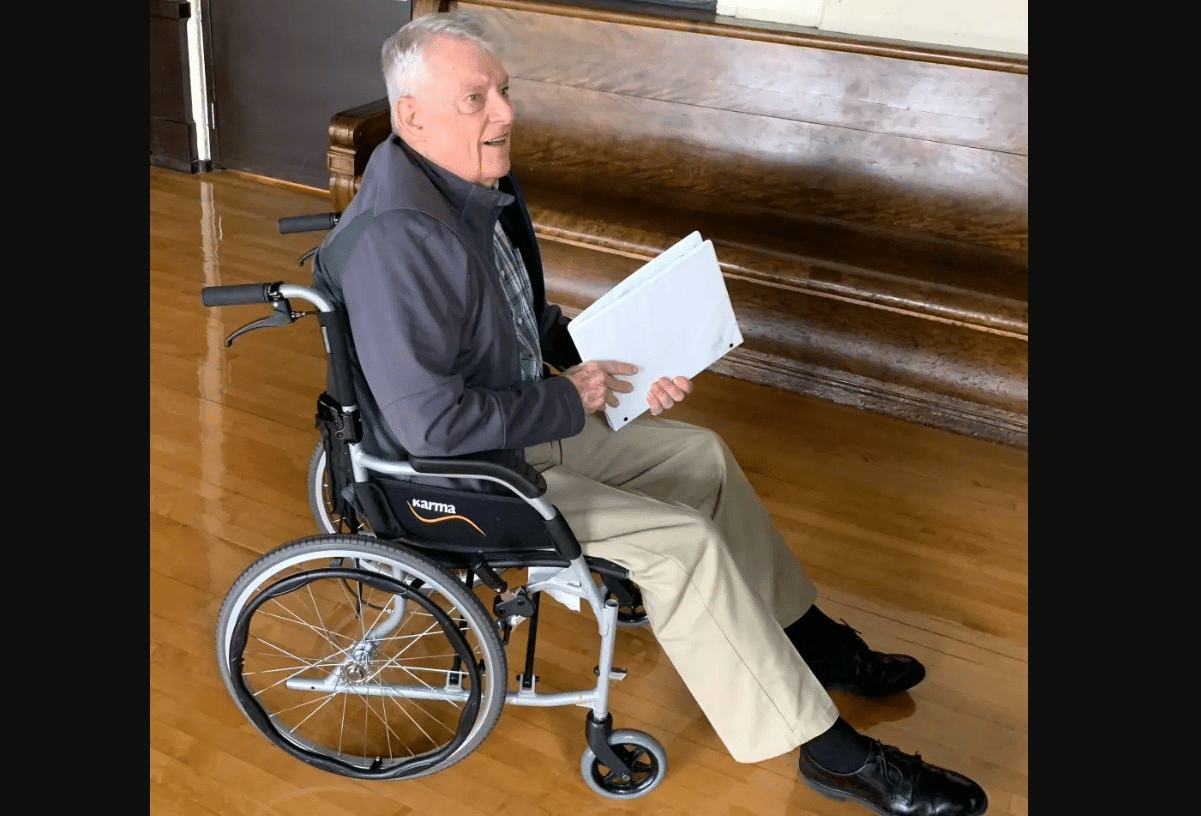
As the homicide investigation progressed, Fuller’s name spread far beyond Montgomery County, reaching back to Maine, where he was known as a successful attorney and a donor to veterans’ programs and community projects. In public accounts of his life, Fuller was described as a longtime supporter of educational and civic efforts and a figure who had funded projects that carried his name. Friends and local leaders in Maine described him as generous and civic-minded. The case drew additional attention because Fuller had written a murder mystery of his own, an irony that was not lost on those following the investigation as police searched for the person who killed him.
Police and prosecutors have not publicly explained what they believe was stolen, if anything, or whether the killing was tied to robbery, a personal dispute, or a planned attack. Officials have also not said whether investigators believe the suspect used a disguise. Early police bulletins emphasized that the suspect’s gender and race were unclear on video, and the released footage showed a masked person moving through the property. Those uncertainties fed public speculation in the days before the arrest, while investigators urged the public to focus on recognizable clothing and movement patterns rather than assumptions about identity.
James’ arrest now shifts the case into the court system while detectives continue to build their evidence. A first-degree murder charge in Maryland typically brings the possibility of a life sentence, and it requires prosecutors to prove not only that the defendant caused the death, but also that the killing was willful, deliberate and premeditated. The state also will have to lay out how it links the suspect to the contact gunshot wound investigators described, and how it connects the Potomac homicide to the Baltimore traffic stop through ballistics and other records. Defense attorneys are expected to challenge what police believe the surveillance video shows, how tips were evaluated, and whether ballistic comparisons and chain-of-custody documentation support the claims made by investigators.
For Cogir residents and staff, the arrest may ease immediate fear but does not answer every question raised by the homicide, including why a door alarm was not working and how a side entrance could be used without detection. Police said the exterior door had been propped open and the alarm deactivated, and they said surveillance video from January showed James in the stairwell area on the day the door alarm was deactivated. Those claims suggest investigators may argue the entry route was prepared in advance. Facility representatives have not publicly detailed what changes, if any, were made to security procedures after Fuller was found dead.
Authorities said the investigation remains active and may expand as detectives evaluate evidence seized in the searches and as separate trooper-shooting charges move forward. James remained in custody pending a bond hearing, police said, and prosecutors are expected to provide additional details in court filings as the case moves through the early hearing schedule.
Author note: Last updated February 26, 2026.