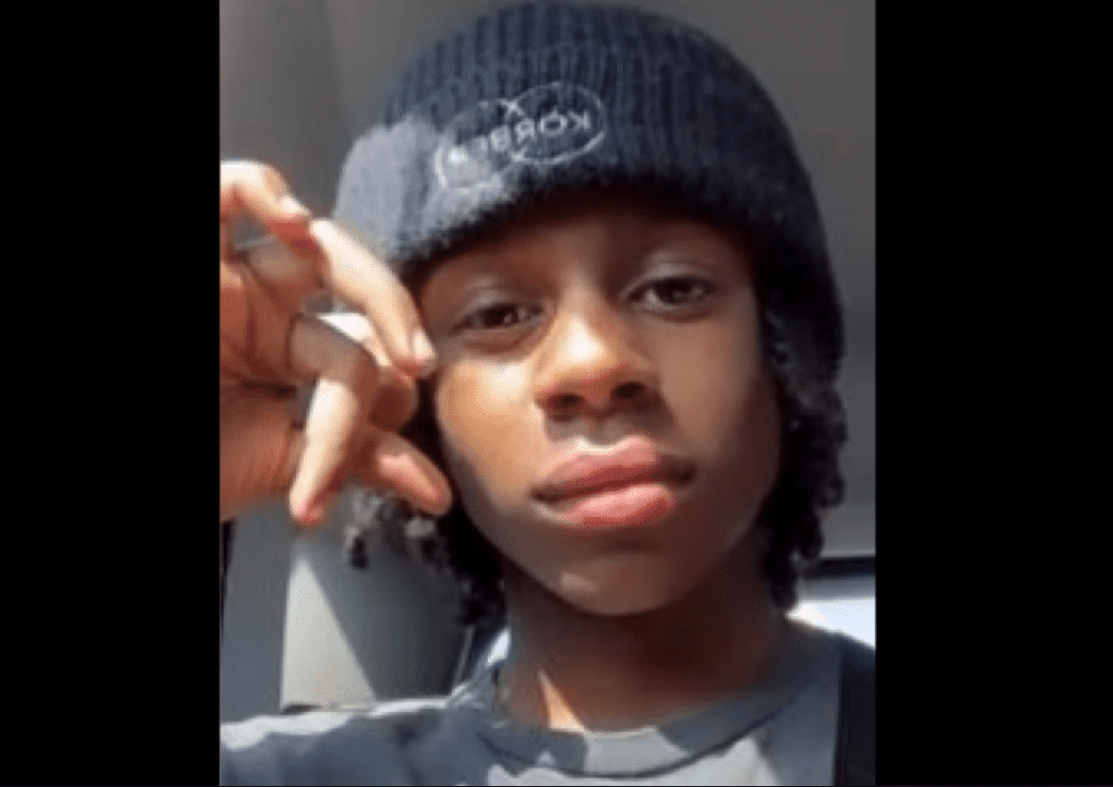
The search for missing 18-year-old Traevion Pirtle ended Friday night when his body was found on Indianapolis’ northeast side, shifting a week of public appeals into a death investigation with few official answers about how he died.
Pirtle’s death drew fast attention across Indianapolis because the case moved from a missing-person bulletin to a fatal investigation in a matter of days. Police have publicly confirmed the basic timeline, his identity and the place where his body was found. But as of the latest local reports, investigators had not released a cause of death, named a suspect or said whether anyone was in custody. That leaves the case at an early but serious stage, with family members grieving while detectives work through the gap between where Pirtle was last seen and where his body was recovered.
Pirtle was last seen Saturday, March 7, in the 3600 block of Cedar Pine Lane on the city’s far east side, according to Indianapolis police and local news reports. Public notices circulated through the week as officers asked for help locating him. In the missing-person alert, police said he might need medical care. Reports described him as 5 feet, 10 inches tall, about 128 pounds, with goldish-brown dreadlocks and brown eyes. By Friday, relatives were publicly searching for him and handing out flyers in the area. Then came the update no family wants. Late Friday night, relatives told local stations that Pirtle had been found dead, ending nearly a week of uncertainty and turning what had been a rescue search into a case centered on how an 18-year-old disappeared and was later found dead.
The body was found in the 10000 block of East 38th Street near German Church Road, and WRTV reported that relatives said he was discovered behind Fervant Prayer Church. WIBC and other local outlets said police were treating the case as a death investigation, but no additional details had been released as of Saturday. That means the public record remains unusually spare for a case that has already drawn broad attention. Police have not publicly said what injuries, if any, were found at the scene. They have not said whether detectives believe foul play was involved, whether Pirtle traveled willingly after March 7 or whether surveillance video, cellphone data or witness statements have clarified his final movements. For now, the case is defined less by conclusions than by the few hard facts investigators have put into the open: where he was last seen, where he was found and the fact that the investigation is active.
The family’s role in the story has been central because so much of the public information first moved through relatives and local television updates rather than through detailed police briefings. On Friday, family members were still canvassing Indianapolis and asking for help finding Pirtle alive. Within hours, they were confirming that the search had ended in tragedy. That sharp turn gave the case an emotional force beyond the normal language of a police bulletin. It also underscored how quickly missing-person investigations can shift when a body is found before many basic questions have been answered. Family members have not yet had a full public explanation to point to. There has been no detailed police narrative laying out Pirtle’s last known contacts, no public probable-cause filing and no official statement explaining how long his body may have been at the place where he was found. Until those pieces emerge, the family is left with a painful timeline but not a full account.
The geography of the case is likely to matter as detectives continue their work. Cedar Pine Lane, where police said Pirtle was last seen, sits on the far east side of Indianapolis. The area near East 38th Street and German Church Road, where his body was recovered, is farther north and east and includes churches, residential pockets and commercial traffic routes. That shift in location could shape the investigation as police try to reconstruct movement between the two points. Detectives in cases like this typically compare witness interviews with digital records, vehicle sightings and nearby cameras to build a final timeline. In Pirtle’s case, officials have not yet said whether they have identified the route he may have taken, who saw him after March 7 or whether there is evidence placing him with other people in the days before his death. Those unknowns now sit at the center of the case.
The next formal steps are likely to come through forensic and investigative findings rather than through dramatic public announcements. Police have labeled the matter a death investigation, which is broader than a confirmed homicide case and leaves room for several possible outcomes. A cause and manner of death will be key to how the case is classified going forward. If investigators determine Pirtle was killed, that could push the matter into a homicide track with future arrest documents or court filings offering the first fuller public narrative. If the evidence points another way, police may describe the death differently once testing and interviews are complete. For now, no charges had been announced publicly in the reports available Saturday, and officers had not identified a suspect or person of interest in the statements carried by local outlets. The absence of those details does not mean investigators lack leads, only that they have not yet shared them publicly.
The human details around the case have come in fragments, but they have given the story its weight. Friends and relatives spent days sharing Pirtle’s name, photograph and description online, hoping someone would spot him and call police. Local stations carried those appeals, then returned less than a day later with confirmation that he had been found dead. One person identified in local TV coverage as a friend who found Pirtle’s body described the experience in blunt terms, saying he had “seen something I wasn’t supposed to see.” Even with few official details, that kind of account helps explain why the case has spread so quickly through Indianapolis neighborhoods and social media. The public story is still incomplete, but the loss is not abstract. It is a missing-teen case that ended with a body found near a church and a family waiting for facts that have not yet been released.
As of March 15, police had publicly confirmed Pirtle’s disappearance, his death and the location where he was found. The next milestone is expected to be a police or coroner update that explains the cause of death and whether the investigation will move forward as a homicide case.
Author note: Last updated March 15, 2026.