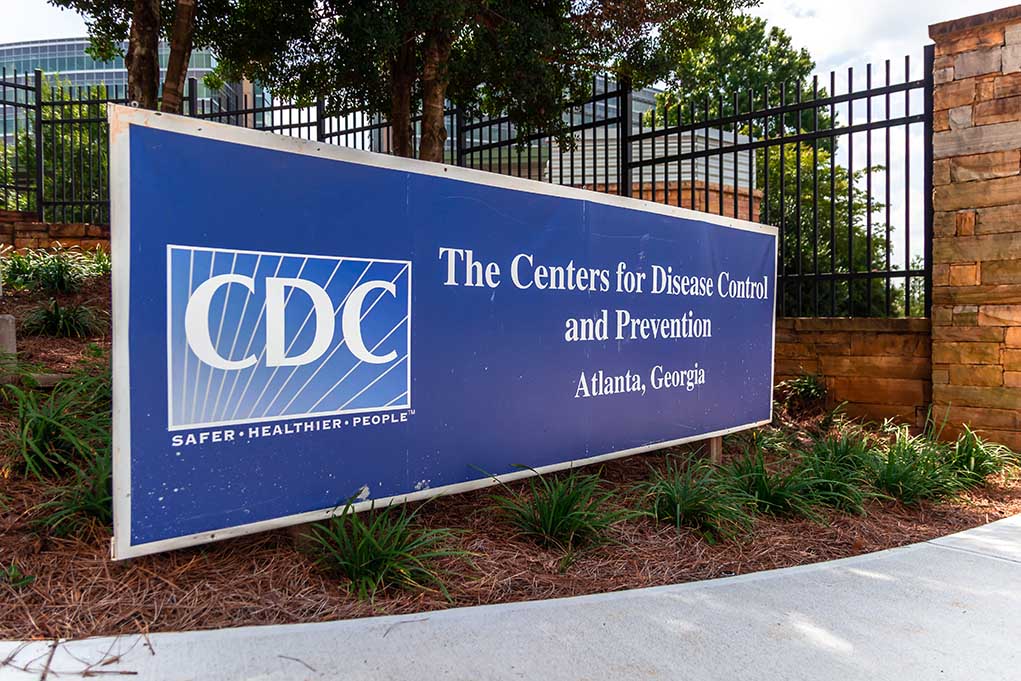
The federal government on Tuesday defended a sweeping rewrite of childhood vaccine guidance that reduces the number of shots recommended for all kids, saying the change aligns the U.S. more closely with other developed countries. The move follows years of argument over why America’s schedule has been broader than many peers and arrives amid a fierce public health backlash.
The update matters because it resets long-standing differences that shaped how U.S. families navigated pediatric care. For decades, the United States recommended routine protection against a wider list of diseases, citing the country’s size, travel patterns, and patchwork access to care. The new guidance keeps universal shots for 11 diseases, including measles, polio and whooping cough, while shifting several others to “shared clinical decision-making” or high-risk use. Federal officials framed the overhaul as a data-driven comparison with European and other OECD schedules. Pediatric leaders countered that copying other nations overlooks gaps in U.S. coverage and could fuel outbreaks in communities that already struggle with access.
Under the changes outlined this week, universal recommendations remain for measles, mumps, rubella, polio, diphtheria, tetanus, pertussis, varicella, Haemophilus influenzae type b, pneumococcal disease and human papillomavirus. Vaccines against influenza and rotavirus move to decisions made between families and clinicians, and broad recommendations for meningococcal and hepatitis A are narrowed. Federal health officials also said respiratory syncytial virus prevention and hepatitis B will focus on defined risk groups and maternal or newborn settings. “Our goal is harmonization with peer countries while preserving access,” an HHS spokesperson said, noting the shots remain available and covered even when not universally recommended.
Supporters of the shift argue the United States had become an outlier, recommending more vaccines to every child than many countries with similar disease burdens. They point to Denmark and Germany, where seasonal flu shots are not advised for all healthy children each year, as templates for a tighter core list. Critics say those comparisons miss key context: America’s uneven primary care access, lower overall vaccine uptake in some regions, and larger pockets of underinsurance. Leaders with national physician groups warned that easing broad recommendations during an active respiratory season could mean more hospitalizations for infants and older adults who are exposed by sick children. Hospital clinicians said pediatric wards already juggle flu and gastrointestinal cases that vaccines have historically blunted.
Why the U.S. diverged in the first place blends science and logistics. Over the past three decades, federal advisers added vaccines when domestic data showed sizable benefits in a country with high travel volumes, multiple entry points, and frequent interstate spread. The schedule also reflected insurance rules that guaranteed no-cost coverage for listed shots. That structure, supporters say, made it practical to add tools like rotavirus vaccine, which sharply cut severe diarrhea and dehydration in babies after its rollout. Internationally, some health systems recommend fewer routine shots but rely on universal primary care and school-based programs to reach high coverage; others use targeted campaigns during outbreaks. The U.S. lacks a single national delivery system, which can make broad recommendations a backstop against gaps.
Procedurally, health officials said the revision drew on comparisons with 20 peer nations and a federal assessment of outcomes and dosing. The plan was announced by HHS and the CDC leadership, which said access and insurance coverage will continue for all vaccines listed on the schedule, including those now guided by risk or shared decision-making. Medical associations called for a public briefing and detailed technical documents on how evidence was weighed and how the update will be monitored. Legal analysts noted that state school-entry rules are set locally, so any changes to those requirements will move more slowly and vary by state. Insurers and pediatric practices are updating charts and electronic records to reflect dose timing and coding.
Parents and clinicians reacted with a mix of relief, confusion and worry. In suburban clinics outside Detroit and Dallas, nurses said they fielded questions about whether flu shots “don’t count anymore,” and clarified that vaccines remain available and may still be advised for children with asthma, prematurity or household risks. A pediatric infectious-disease specialist in Atlanta said the strongest concern is measles: “When headlines suggest ‘fewer shots,’ some families skip everything, and that’s when measles finds a foothold,” he said. A family doctor in rural Kansas called the guidance closer to what she sees in practice—tailoring decisions to each child—while urging clear, simple handouts so parents understand what changed and what did not.
As of Tuesday evening, the new federal guidance is in effect for clinicians updating records at winter well-child visits. HHS said a fuller technical brief and public Q&A are expected later this month, along with monitoring reports on uptake and disease trends. States will decide whether to adjust school-entry requirements over the coming weeks and months.
Author note: Last updated January 6, 2026.