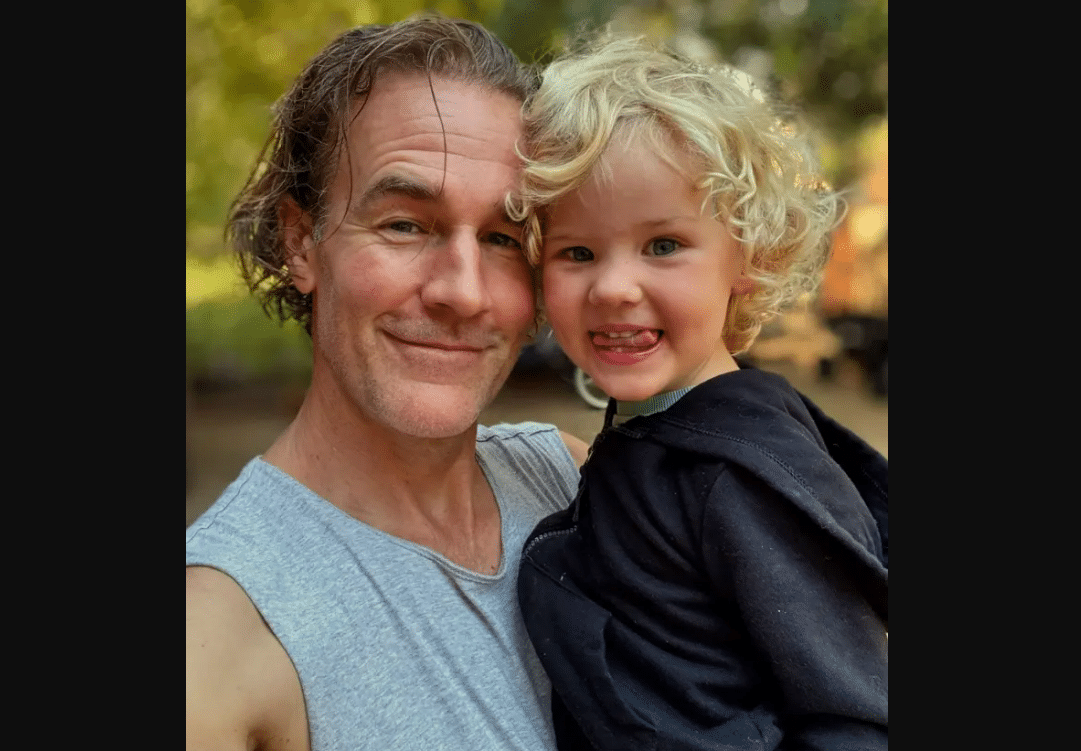
Actor James Van Der Beek, best known for playing earnest teen filmmaker Dawson Leery on the late 1990s TV hit “Dawson’s Creek,” has died at 48 after a battle with colorectal cancer, his family said Wednesday. His wife said he died peacefully after facing the disease for more than two years.
Van Der Beek’s death capped a public and personal fight that he had discussed in recent months as he balanced treatment with work and family life. He had continued taking roles and appearing at events while sharing occasional updates about his health. Tributes quickly spread from fellow actors, producers and fans who remembered his mix of leading man sincerity and self-aware humor, and who pointed to the way he talked about illness without turning away from the fear it brought to his home.
Kimberly Van Der Beek announced her husband’s death in a statement shared Wednesday, saying he died peacefully and praising the way he carried himself through his final stretch. She wrote that he had been brave and present for the people around him and that he cared deeply about others even while he was sick. The family did not immediately provide the location of his death, and they did not announce funeral plans, asking for privacy as they mourn.
The actor’s illness became widely known after he revealed he had been diagnosed with stage 3 colorectal cancer in 2023. He later said he chose to speak publicly after learning a tabloid planned to report the diagnosis. In interviews and social media posts, he described the strain of treatment and the emotional whiplash of days that felt hopeful followed by sudden setbacks. He also talked about the challenge of explaining serious illness to children and of trying to keep routines steady while life shifted around doctor visits, scans and recovery.
Van Der Beek, a father of six, often centered his family when he spoke about the experience. In one post, he wrote about trying to remain optimistic for his children even when he did not have clear answers for himself. Friends and supporters said medical costs and the long timeline of care created financial stress for the family. A fundraising campaign circulated online on Wednesday, with organizers saying it was intended to help cover living expenses as the family adjusted after his death.
While Van Der Beek was rooted in family life, his career was shaped by a rare pop-culture moment that turned a small teen drama into a long-running conversation. “Dawson’s Creek” debuted in 1998 and quickly became a signature series for the WB network, with viewers following a tight group of friends in the fictional town of Capeside, Massachusetts. Van Der Beek played Dawson, a romantic and movie-obsessed teenager whose coming-of-age story anchored the show through shifting relationships, breakups, reunions and hard choices that made the series a staple of late 1990s television.
For many fans, the show’s biggest arguments were not about plots but about feelings: who loved whom, who outgrew whom, and whether the friends were better together or apart. Van Der Beek often carried the emotional load, delivering earnest monologues and quiet reactions that became the series’ trademark. His face, especially his tearful expressions, also became one of the early internet’s most recognizable reaction images, a joke he learned to embrace rather than fight. Over time, he leaned into the idea that a young star could laugh at his own history without dismissing what it meant to viewers.
That balance helped him build a career that moved in several directions at once. He starred in movies, including the football drama “Varsity Blues,” and continued working steadily in television. He took on roles that played against the image of the sensitive teen lead, appearing in comedies and dramas where he could be sharper, darker or more absurd. He later earned praise for a self-parodying performance in “Don’t Trust the B—- in Apartment 23,” where he portrayed a heightened version of himself with exaggerated confidence and comic timing.
Colleagues said that willingness to poke fun at his own fame made him easy to work with and disarming on set. Instead of treating “Dawson’s Creek” as a trap, they said he treated it like a chapter, one that opened doors and introduced him to a lifetime audience. His later credits included a range of guest appearances and recurring roles, including parts on crime and procedural series, sitcoms and streaming projects. By the time he announced his diagnosis, he had built a film and TV resume that stretched well beyond the teen series that made him famous.
Even as he battled cancer, Van Der Beek remained connected to fans and to the “Dawson’s Creek” cast that shared the series’ long run. He appeared in video messages and reunions, sometimes from home, sometimes while traveling for work. He also made headlines late last year when he auctioned off memorabilia connected to his early career. The sale, which included items tied to “Dawson’s Creek,” was described by outlets as part of his effort to help fund ongoing medical care and support his family while he was unable to work consistently.
In one of his final months, Van Der Beek spoke in interviews about how illness changed his sense of time and priorities. He described learning to accept help, and he talked about the ways cancer forced him to slow down and notice ordinary moments he might have rushed past before. Friends said that even when he was weak, he remained engaged, still texting, calling and showing up when he could. That steadiness, they said, was part of what made the news of his death so hard, because many had hoped the worst period was behind him.
The immediate flood of tributes reflected both his place in the industry and the way “Dawson’s Creek” shaped a generation of viewers. Actors and dance and TV personalities posted messages remembering his kindness, his work ethic and his loyalty to his family. Others pointed to the way he treated crew members, saying he learned names quickly and made a point of thanking people whose work was usually invisible. Fans shared clips, photos and favorite lines, and many wrote about watching the show during their own teenage years, calling Van Der Beek’s performance a constant presence during a time of change.
Van Der Beek’s death also renewed attention to a quiet reality of many cancer battles: that even with support, long-term treatment can be disruptive, expensive and isolating. Friends and supporters said they wanted the family to have room to grieve without immediate financial panic. They described his wife as the center of their home and said the couple’s six children were the focus of his final decisions, from which jobs he accepted to how he explained his health to them. The family did not disclose details of his final medical care beyond noting the illness and the stage at diagnosis.
He is survived by his wife and their children. Plans for memorial services were not announced Wednesday. The family said it would share additional information when appropriate, and friends said they expected a longer public remembrance once private goodbyes were complete.
Author note: Last updated February 11, 2026.