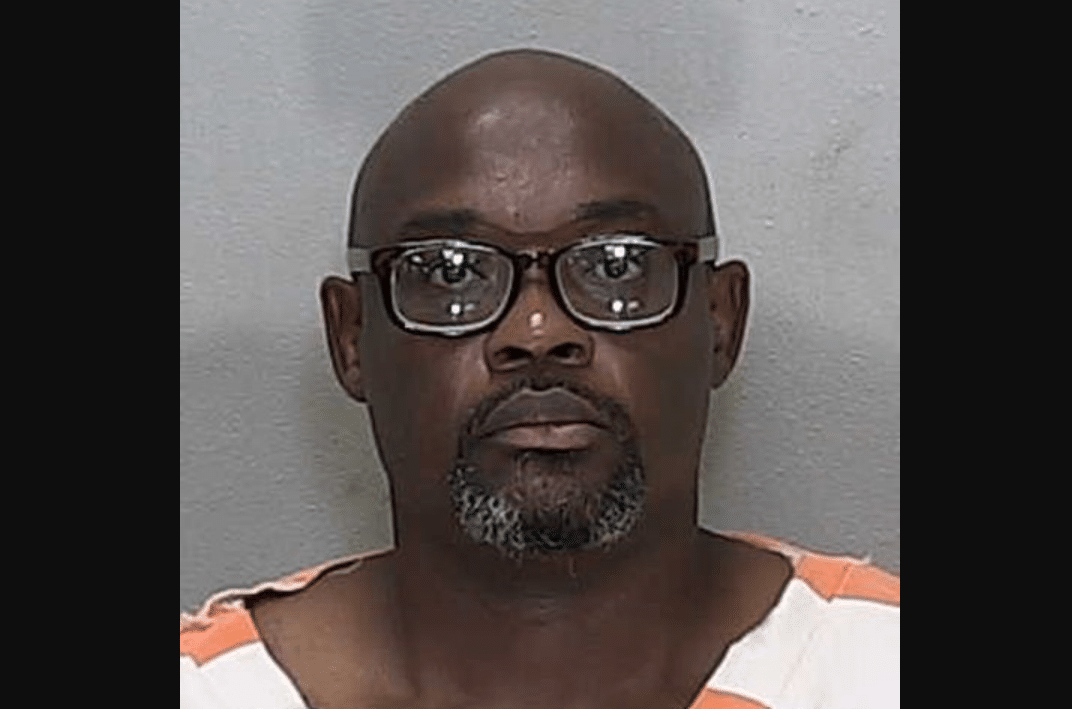
Ronald Exantus was acquitted of murder by reason of insanity but convicted of assaulting three members of the boy’s family.
VERSAILLES, Ky. — Ronald Exantus has been released from Kentucky custody after completing his sentence for assaults committed during a 2015 home invasion in which 6-year-old Logan Tipton was killed, state corrections officials said.
Exantus, 42, left the Kentucky State Reformatory on July 29. The Kentucky Department of Corrections said he had served the sentence imposed by Woodford Circuit Court and was no longer under the agency’s custody. Officials stressed that the Kentucky Parole Board did not authorize the release and that it was not considered an early release under the sentence calculation then in effect.
A jury in 2018 found Exantus not guilty by reason of insanity on charges of murder and first-degree burglary. It found him guilty but mentally ill on two counts of second-degree assault and one count of fourth-degree assault for attacks on other members of the Tipton family. He received a 20-year prison sentence on the assault convictions.
The case arose from an attack during the early morning of Dec. 7, 2015, at the family’s home in Versailles. Court records say Exantus, who did not know the family, entered the house and attacked Logan and several relatives. Logan died, while his father and two sisters were injured. The Kentucky Supreme Court later upheld Exantus’ assault convictions.
The different verdicts meant Exantus was not criminally responsible for the murder and burglary because of his mental condition at the time, but he remained legally responsible for the assaults. The result drew criticism from Logan’s family and later became a focus of debate over Kentucky’s insanity-defense, sentencing and mandatory-release laws.
Exantus was previously released Oct. 1, 2025, under Kentucky’s mandatory reentry supervision program. That release occurred despite the parole board’s repeated decisions against discretionary parole, according to the Kentucky Justice and Public Safety Cabinet. State law required his placement in the supervision program before the end of his sentence.
After moving to Florida, Exantus was arrested on allegations that he failed to register as a convicted felon as required. He was returned to Kentucky, and the parole board revoked his mandatory reentry supervision on Nov. 20, 2025. The board ordered him to remain incarcerated while he completed the rest of his sentence.
State officials said the July release followed the completion of that sentence rather than another parole decision. Public reporting indicated that Exantus was not required as part of the completed prison sentence to enter a hospital or mental health facility. Before his release, lawmakers and some officials had called for an involuntary hospitalization review, but no confirmed order committing him to a facility was publicly announced.
The controversy surrounding the case led Kentucky lawmakers to pass House Bill 422, known as Logan’s Law. Gov. Andy Beshear signed the measure April 2 with Logan’s father present. The legislation changed parts of the state’s sentencing, mandatory reentry and mental-illness defense laws.
Among other provisions, the law restricts mandatory reentry supervision for some violent offenders and seeks to prevent inconsistent mental-illness verdicts involving charges that arise from the same course of conduct. It also requires a treating professional in certain guilty-but-mentally-ill cases to seek involuntary hospitalization when treatment remains necessary.
The new law did not extend Exantus’ sentence or authorize officials to keep him imprisoned after his calculated release date. Constitutional protections generally prevent states from increasing punishment retroactively for conduct that occurred before a new criminal law took effect.
Logan’s family has continued to criticize the amount of time Exantus spent behind bars and the legal structure that allowed his release. The family also supported changes aimed at increasing the time violent offenders must serve and strengthening procedures for defendants whose criminal cases involve serious mental illness.
Exantus is no longer listed as being in the custody of the Kentucky Department of Corrections. Officials had not publicly announced additional criminal supervision, a court-ordered mental health commitment or other restrictions connected to the Kentucky case as of Monday.
Author note: Last updated August 3, 2026.