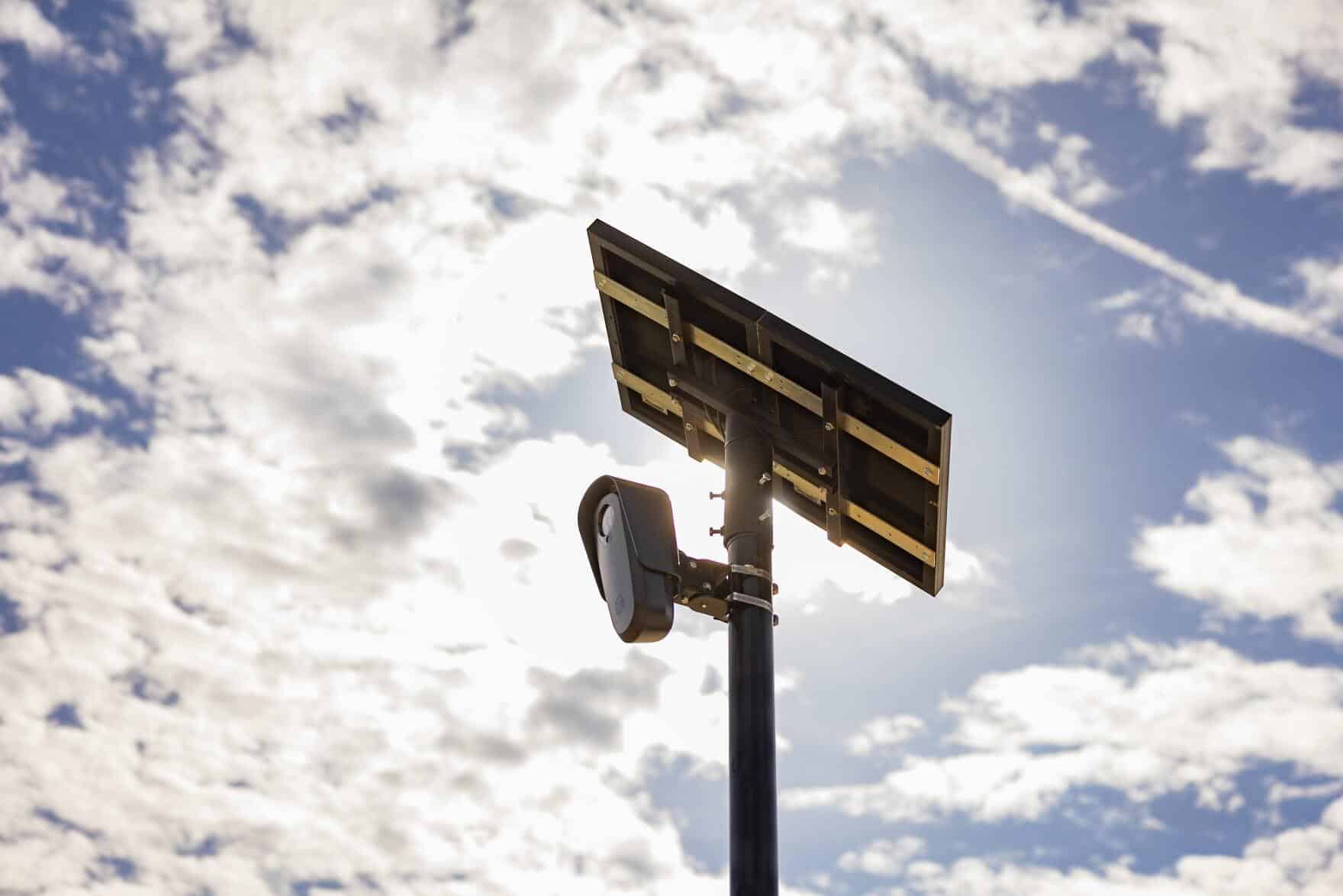
Have I Been Flocked uses public audit records to show whether agencies searched a license plate through Flock Safety’s surveillance system.
PHOENIX — Drivers curious about whether their license plates have been searched through Flock Safety’s automated camera network can now check a public-records database that compiles audit logs obtained from agencies using the increasingly scrutinized surveillance technology.
The website, called Have I Been Flocked, allows a user to enter a license plate number and search records collected from Flock audit logs obtained through public-records requests. The results can show whether a plate number appeared in a recorded search and, when available, the reason entered by the person conducting it. The service stresses an important distinction: A result does not mean the website can show every time a vehicle passed a Flock camera. Instead, it reflects searches conducted by Flock customers that appear in the records the site has obtained.
That distinction is significant because Flock cameras routinely capture information about vehicles moving through public spaces, while the audit records examined by the website document searches made by system users. According to Have I Been Flocked, the plate numbers and search reasons contained in its records are information manually entered by Flock customers. The site’s database includes only records it has acquired, meaning an absence of results does not establish that a plate was never searched elsewhere or at another time.
The site says license plate numbers entered into its search tool are not saved, stored or logged by the application. It also makes the underlying sources for its audit-log data publicly available. The service was created as automated license plate reader systems expanded across the country and questions grew over how law enforcement agencies use the information they collect.
Flock Safety operates a nationwide network of automated cameras that record license plate numbers and other vehicle characteristics. Thousands of law enforcement agencies across 49 states can use the system and, depending on local settings and agreements, share information across jurisdictions. Police agencies have credited the technology with helping locate missing people, identify stolen vehicles and develop leads in criminal investigations. Privacy advocates, however, have raised concerns about the scale of the network, access to location information and the possibility of searches being conducted for unauthorized personal reasons.
Those concerns have become particularly visible in Arizona. Apache Junction police said an officer resigned after an internal investigation found that he used department Flock technology to locate his wife during what he described as a welfare concern. Police Chief Michael Pooley said dispatchers who were asked to run the plate raised concerns about the request, and the department opened an investigation after learning how the system had been used. Chandler, Surprise and Goodyear also faced scrutiny involving possible or acknowledged misuse of license plate reader technology, according to Arizona’s Family reporting.
The Arizona cases are part of a broader national debate over safeguards for automated license plate readers. The Associated Press reported that Flock Safety announced new measures after examples surfaced of officers allegedly using its systems for personal searches. The company said law enforcement customers will be required to use an auditing tool designed to flag abnormal search activity. Flock also plans to require searches to be linked to case codes, with emergency overrides flagged for review.
Flock has also announced plans to shorten its standard data-retention period from 30 days to seven, while allowing information connected to a specific case to be preserved longer. The company said customers will gain more control over which types of investigations outside agencies may use to search their data. Many of those safeguards are scheduled to become mandatory by Jan. 1.
Supporters of the technology argue that automated license plate readers can give investigators useful leads quickly and help agencies solve crimes across jurisdictional boundaries. Critics say the same ability to search large amounts of vehicle-location information requires stronger oversight and clear limits. The American Civil Liberties Union characterized the shorter retention period as movement in the right direction but has continued to question whether the safeguards adequately address broader privacy concerns.
For drivers using Have I Been Flocked, the results offer a limited window into how participating agencies have searched Flock records rather than a complete history of where a vehicle has been photographed. As scrutiny of the technology continues in Arizona and nationally, audit records and new oversight requirements are becoming an increasingly important part of the debate over how license plate surveillance should be used.
Author note: Last updated August 15, 2026.